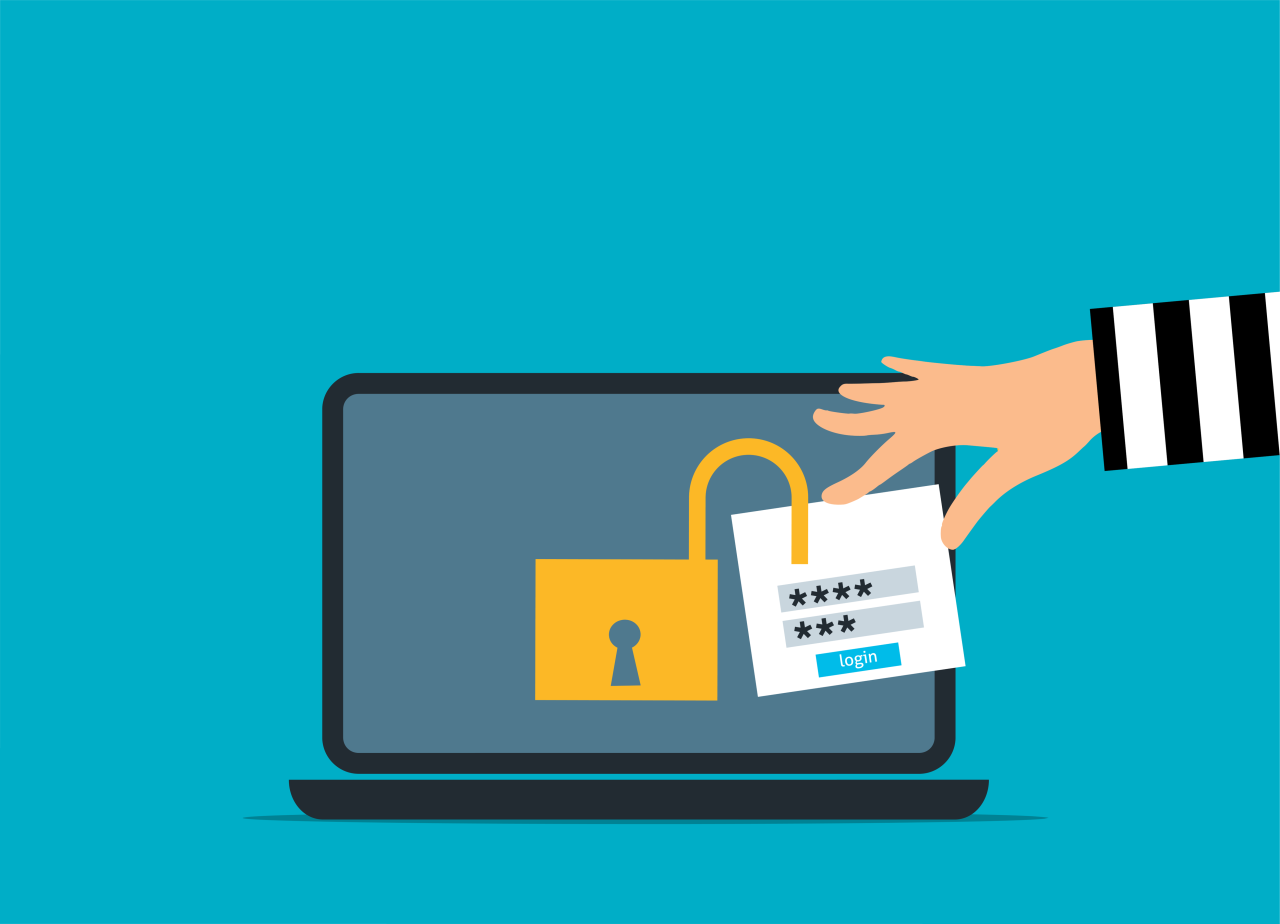
Guest Wi-Fi is a service your visitors expect and a clear signal of good customer experience. However, it is also one of the most vulnerable entry points into your network. A shared password that has circulated for years provides little real security, and a single compromised guest device can open the door to attacks on your entire organization. This is why applying a Zero Trust model to guest Wi-Fi is no longer optional—it’s essential.
Zero Trust is built on a simple but effective principle: never trust, always verify. No user or device is automatically trusted simply because it connects to the guest network. Below are practical steps for creating a guest Wi-Fi experience that is both secure and professional.
Norco Technologies Blog
IoT (Internet of Things) devices are everyday smart gadgets connected to the internet to make your business life easier.
I'm talking about smart thermostats, security cameras, Wi-Fi printers, voice assistants, smart lighting, and even the smart fridge in the breakroom. They automate tasks and improve efficiency (which is great), but they also are potential entry points for cybercriminals.
The reality is that many of these gadgets come with weak security. People tend to overlook them in their security plans because they see them as appliances, not computers.
Have you ever been concerned about your credit card or personal data getting stolen while shopping online? You’re not alone. Each holiday season, as millions of shoppers flock online for convenience, hackers ramp up their activity. The Federal Trade Commission (FTC) has warned that scammers often create fake shopping websites or phishing emails to steal consumers’ money and personal information, especially during the holidays.
If you’re planning to shop this holiday season, now is the perfect time to boost your online security. Two simple tools, password managers and virtual cards, can make a big difference. But how exactly? This article will show you how to use them to enjoy zero-risk online holiday shopping..
Modern businesses depend on third-party apps for everything from customer service and analytics to cloud storage and security. But this convenience comes with risk, every integration introduces a potential vulnerability. In fact, 35.5% of all recorded breaches in 2024 were linked to third-party vulnerabilities.
The good news? These risks can be managed. This article highlights the hidden dangers of third-party API integrations and provides a practical checklist to help you evaluate any external app before adding it to your system.
ChatGPT and other generative AI tools, such as DALL-E, offer significant benefits for businesses. However, without proper governance, these tools can quickly become a liability rather than an asset. Unfortunately, many companies adopt AI without clear policies or oversight.
Only 5% of U.S. executives surveyed by KPMG have a mature, responsible AI governance program. Another 49% plan to establish one in the future but have not yet done so. Based on these statistics, while many organizations see the importance of responsible AI, most are still unprepared to manage it effectively.
Looking to ensure your AI tools are secure, compliant, and delivering real value? This article outlines practical strategies for governing generative AI and highlights the key areas organizations need to prioritize.